A strong internship can benefit both the person entering the workforce and the organization giving them an opportunity to learn.
For students and recent graduates, internships can provide practical experience, professional relationships and a clearer understanding of whether a particular career path is the right fit.
Employers can benefit too. Interns can bring new perspectives, recent academic knowledge and the potential to become well-trained future employees who already understand the organization.
The strongest internships are not built around busy work. They combine meaningful responsibility, communication, mentorship, professional growth and opportunities to understand how the organization actually operates.
Why choose an internship?
Moving directly from school into a long-term career can be appealing, but an internship can provide a lower-risk opportunity to experience a profession, industry or organization before making a major career commitment.
Try the career before committing to it
An internship gives you firsthand exposure to the work instead of relying only on classes, job descriptions or assumptions about what a profession is like.
You can see what the responsibilities involve, how teams operate, what advancement may look like and how your own personality and working style fit the environment.
That experience can either confirm your direction or help you recognize that another path may suit you better.
Build immediate networking opportunities
One of the most valuable parts of an internship can be access to professionals already working in the field.
Talk with people throughout the organization, learn about their responsibilities and ask how they developed their careers.
Conferences, workshops, professional events and informal conversations can extend that network beyond the organization where you are interning.
Internal Network
Meet professionals throughout the company and understand how different teams work.
Industry Network
Use professional events and industry communities to build relationships beyond one employer.
Future Opportunities
Connections made during an internship can potentially lead to referrals, mentoring and future career opportunities.
Gain experience tailored to your goals
Before beginning the internship, think about what you want to learn and which parts of the profession interest you most.
Discuss those goals with your supervisor or mentor so they understand where you hope to grow.
A clear professional objective can make the internship feel more purposeful and help you leave with experience that supports your longer-term career plan.
Use the resources available inside the company
Interns often receive access to an organization that would be difficult to understand from the outside.
Employee resource groups, conversations with other departments and time with experienced professionals can help you understand how different roles connect.
Use those resources to identify your strengths, learn what employers expect and add meaningful experience to your resume.
How employers can benefit from interns
Internship programs should create value for the organization as well as the intern.
When interns receive meaningful responsibilities, support and access to experienced team members, employers gain an opportunity to evaluate future talent while bringing new ideas into the organization.
Think of interns as potential future employees
An internship can function as an extended opportunity for both sides to understand whether the professional relationship works.
Interns learn the organization's systems, expectations and culture while employers see how they communicate, learn and perform in a real working environment.
If a permanent opportunity becomes available, a successful former intern may require less onboarding because they already understand the organization.
Learn from fresh talent
Interns can bring perspectives that are different from those of employees who have been working within the same processes for many years.
Students may also arrive with recent exposure to emerging tools, research, methods and industry practices from their education.
Employers should create space for interns to contribute ideas instead of treating the experience as one-way training.
An internship can become part of a long-term talent strategy when the organization treats interns as developing professionals rather than temporary administrative support.
How to establish an effective internship
Employers have an important role in determining whether an internship becomes a meaningful learning experience or simply a short period of low-value work.
The original One Tech guide focuses on three areas: communication, personal growth and access to resources.
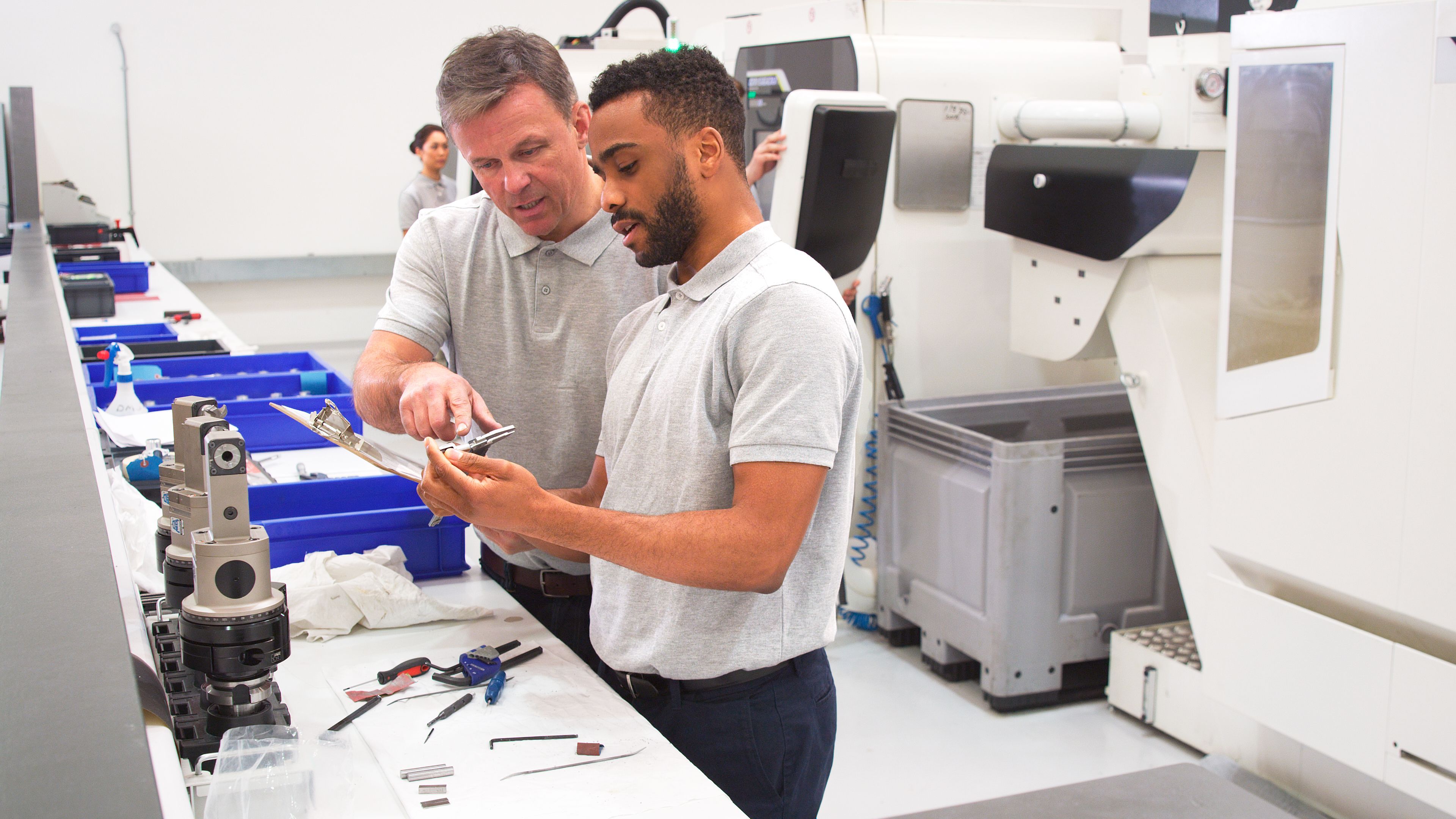
Maintain consistent communication
Interns need clear expectations and regular feedback just as permanent employees do.
Explain responsibilities, provide enough context around assignments and create opportunities for interns to ask questions.
Good communication can turn a supervisor relationship into a stronger mentor relationship and help interns become more confident contributors.
Clear Expectations
Explain what the intern is responsible for and why the assignment matters.
Regular Feedback
Give interns useful direction while there is still time for them to improve.
Open Questions
Encourage interns to ask for clarification and learn how different parts of the organization operate.
Interns also have responsibility here. Ask questions, seek clarification and take initiative rather than waiting passively for every learning opportunity to appear.
Invest in personal and professional growth
A successful internship should include work that helps the intern develop.
Repetitive administrative tasks may occasionally be necessary, but they should not define the entire experience.
Give interns opportunities to contribute ideas, participate with the broader team and gradually take responsibility for meaningful work.
Provide access to useful resources
Let interns see how different departments, roles and responsibilities connect.
Introductions to employees across the organization can give interns a more complete understanding of the business and expose them to career paths they may not have considered before.
Employers can also help interns build skills and professional relationships based on the individual goals established at the beginning of the program.
What a successful internship should create
Real Workplace Experience
Professional Relationships
Stronger Technical Skills
Better Career Direction
Employer Talent Pipeline
Fresh Perspectives
Mentorship Experience
Potential Future Hire
Make the internship work for both sides
Treat the experience as an opportunity to explore
Ask questions, build relationships, seek useful feedback and pay attention to which parts of the work you find most engaging. The internship can help shape decisions about your next role, specialization or industry.
Treat interns as developing professionals
Give them meaningful responsibilities, guidance and access to your organization. A strong internship can build your employer brand, support existing employees and create a pipeline of future talent.
Connect developing talent with the right opportunities
Internships are one part of a larger professional journey. As candidates gain experience, strong relationships with employers, mentors and recruiters can help them understand where their skills may create the most value.
One Tech connects technical and engineering professionals with employers across specialized industries and supports companies looking for qualified talent.
Build stronger technical career connections
Whether you are developing your career or building your workforce, One Tech can help connect technical experience with organizations that need specialized talent.